From 1986 to Today
The history of Chornobyl University begins in 1986. Since then, its people have researched Chornobyl, written about it, taught it and explained it to the world.
1986-1999. Reconnaissance and First Reflections
In the summer of 1986, Sergii Mirnyi, a physical chemist from Kharkiv, arrived in the Zone as the commander of a radiation reconnaissance platoon. His platoon was the first to cross the Zone in armored reconnaissance vehicles, measuring radiation levels. What he saw then - not only radiation, but also fear, rumors and lies - became the subject of his life's work. In the 1990s, he earned a master's degree in environmental sciences in Budapest and testified before an international tribunal in Vienna. He also completed a study showing that radiation is not the only reason liquidators fall ill.
Physical chemistry and a military specialty
Long before Chornobyl, Sergii Mirnyi was a chemist. That training determined who he would become in 1986.
Radiation reconnaissance platoon commander
In the summer of 1986, Sergii Mirnyi commanded a radiation reconnaissance platoon that was the first to travel the Zone's routes and measure radiation levels.
Commended for courage and heroism
After demobilization, the radiation reconnaissance platoon commander went back to where he had come from - the laboratory.
Master of environmental sciences
To understand what he had seen in the Zone, the chemist needed a second degree.
Testimony before the Permanent Peoples' Tribunal
The earliest public scholarly talk by Mirnyi found so far - in Vienna, before an international people's tribunal on Chornobyl.
Worse than Radiation
A liquidator's first novella won an award and was later published in English.
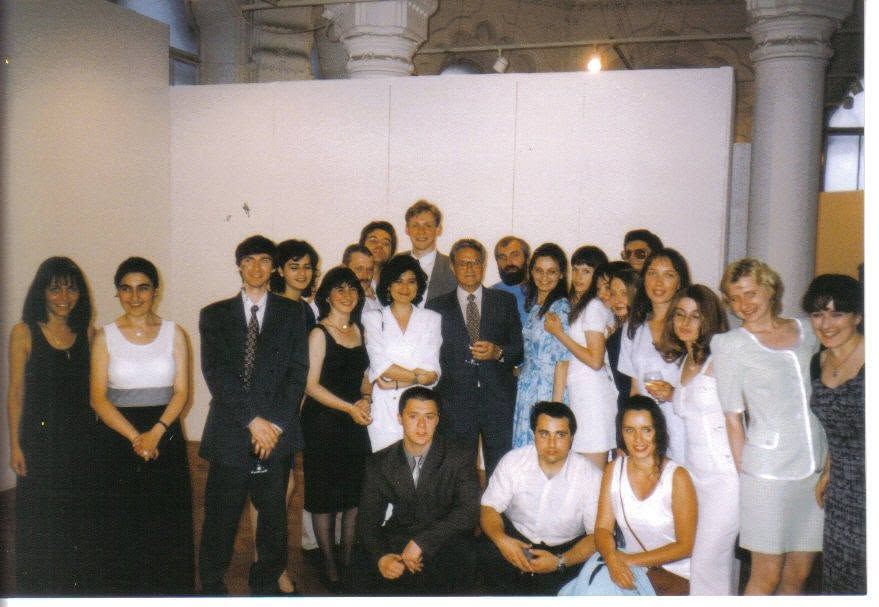
Master's degree from Central European University
A former radiation reconnaissance commander earns a master's degree in environmental sciences.
The liquidators' health as psychosocial trauma
Mirnyi's main research asked a simple and uncomfortable question: why do liquidators get sick?
2000-2009. The Science of Trauma and the First Books
In the 2000s, Mirnyi published articles in international scientific journals and a book on the psychosocial trauma of the liquidators. His testimony at the European Parliament and his talk at Princeton University showed that Chornobyl can and should be discussed in the language of science, not only in the language of horror. His essay "Chornobyl as Info-Trauma" set out the concept on which the University's work rests today.
Article in the journal New Solutions
A peer-reviewed article on how information affected the health of people who worked in the Zone.
Article in the International Journal of Radiation Medicine
Another 2001 publication, this time in a professional journal of radiation medicine.
Living Force and Chornobyl Comedy
A documentary novel and a novel about the liquidators, published in several countries.
Testimony at the European Parliament
"One can argue about the direct health effects, but no one can deny the psychological ones."
Talk at Princeton University
How do you overcome Chornobyl? By telling its story.
"Chornobyl as Info-Trauma"
Mirnyi's central concept: the long-term consequences of Chornobyl are primarily informational.
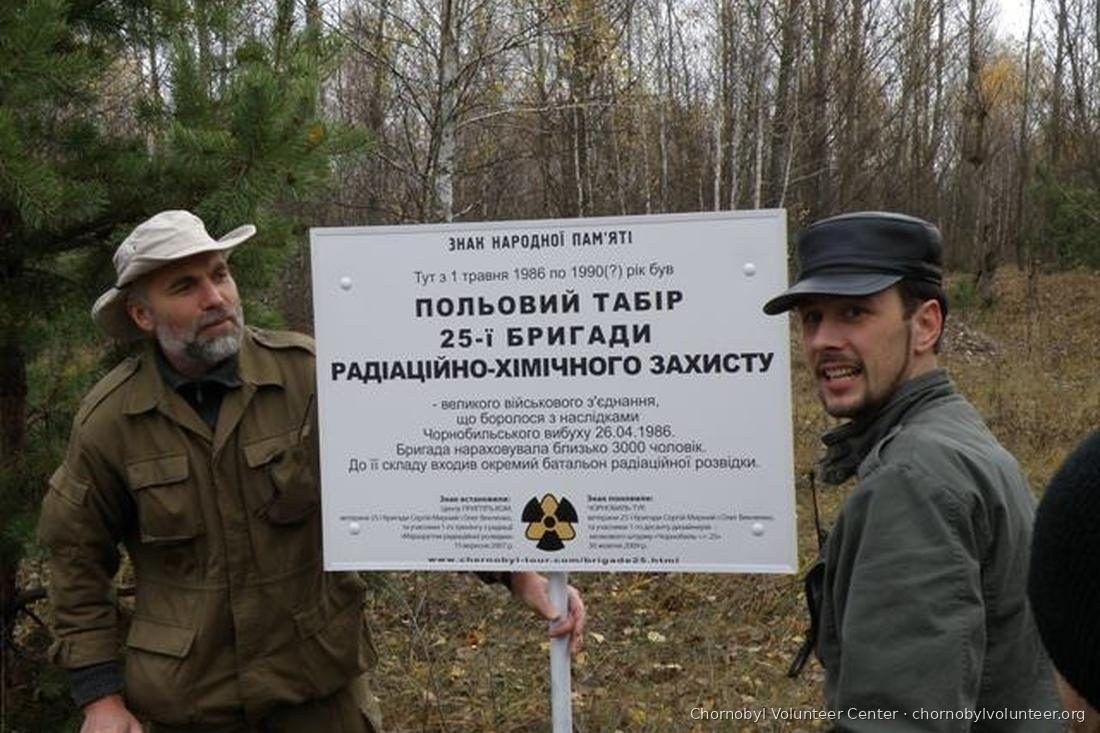
A marker at the site of the 25th Brigade's camp
Twenty-three years later, Mirnyi found the spot his reconnaissance teams set out from each morning in 1986.
2010-2015. Japan, the Duga Radar and Memory
The Fukushima accident made the Chornobyl experience urgently relevant on the other side of the world. Mirnyi lectured in Tokyo and Fukushima, worked with Japanese scientists and wrote for Japanese readers. In Ukraine, he became one of the initiators of the campaign to preserve the Duga radar station - a landmark later proposed for UNESCO nomination.
"Chornobyl as Info-Trauma" in Krytyka
The Ukrainian version of Mirnyi's main work appeared in one of the country's most respected intellectual journals.
Keynote lecture in Tokyo
Mirnyi's lecture opened an international symposium on Chornobyl twenty years after the collapse of the USSR.
Lecture at Fukushima University
A year after the Fukushima accident, Mirnyi told its neighbors how Chornobyl had overcome information trauma.
Saving the Duga radar
The Duga radar station faced being dismantled for scrap. A public campaign to preserve it succeeded.
"Victors of Chornobyl" in Japanese
The notes of a radiation reconnaissance platoon commander were published in Japan in 15 installments.
2016-2019. UNESCO, Academic Programs and the School for Guides
The idea of nominating sites in the Chornobyl Zone for the UNESCO World Heritage List emerged at a field seminar in the Zone. Presentations at ICOMOS, interagency meetings and seminars for ministries followed. At the same time, Mirnyi lectured in academic programs for students from Purdue University, Humboldt University of Berlin, European University Viadrina and Wageningen University. After the HBO series aired, public demand for reliable knowledge about Chornobyl rose sharply, and the school for Chornobyl guides was the response.
The field seminar where the UNESCO idea began
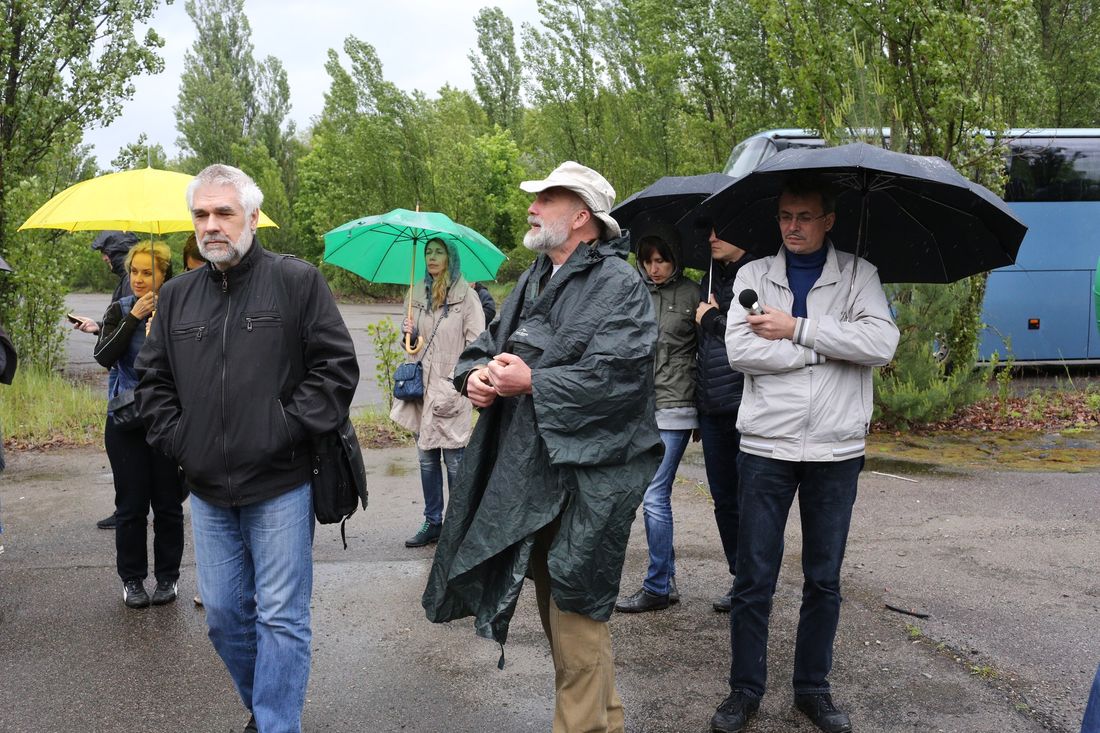
Two busloads of experts toured the Zone to answer one question: what here must be preserved?
ICOMOS backs the UNESCO idea for the Zone
The 31st anniversary of the accident: the first meeting that decided to begin nominating Chornobyl sites for the UNESCO list.
Academic programs for universities in Europe and the United States
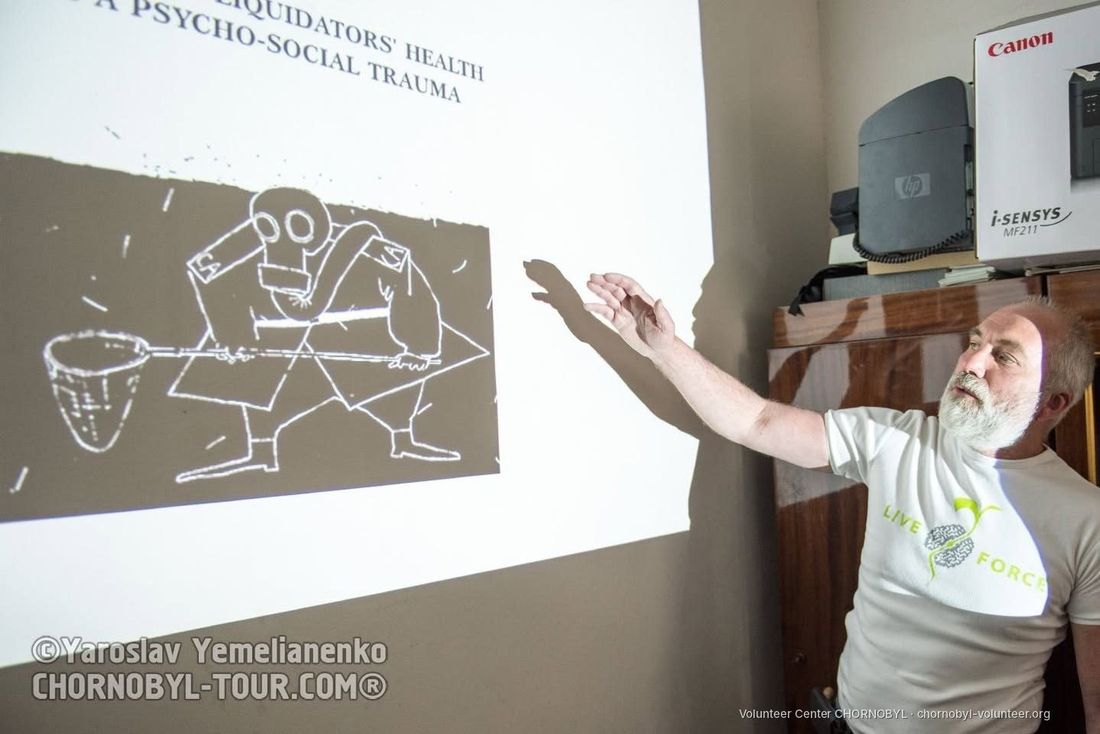
The Chornobyl Zone as a classroom for students from Europe and the United States.
School for Chornobyl Guides
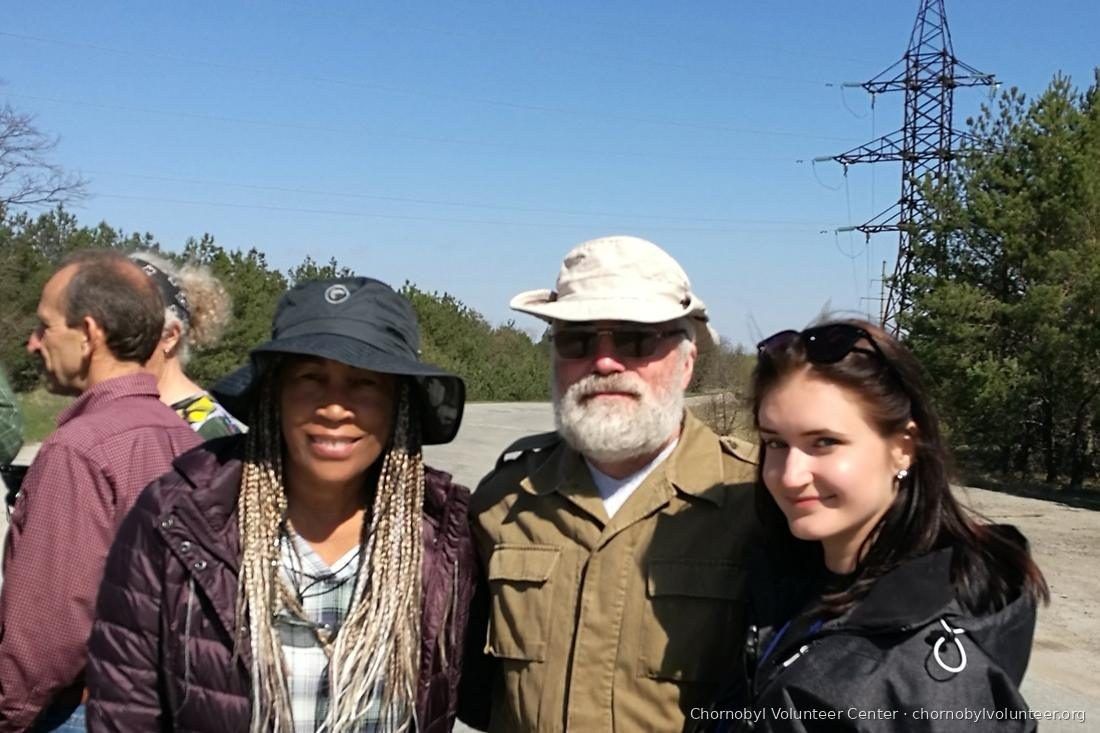
Sergii Mirnyi's idea, which grew into the "Chornobyl Guide" course.
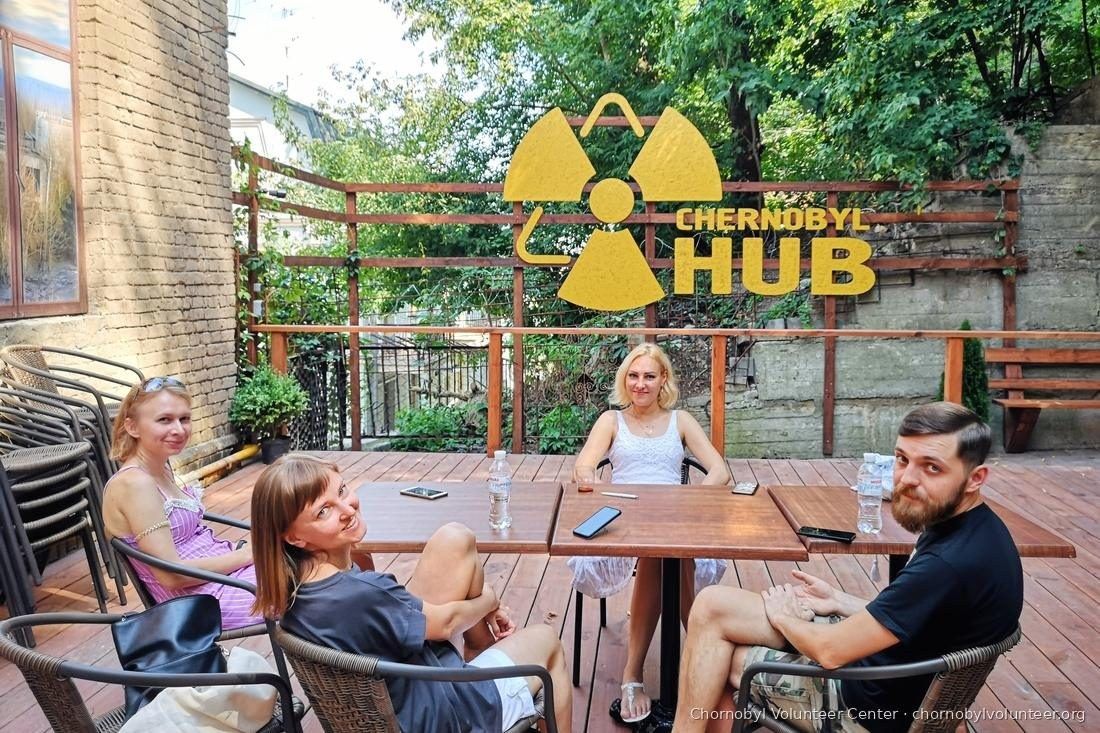
Expert role on the Public Council under the State Agency for Exclusion Zone Management
The University's people work on state policy for the Chornobyl Zone.
A dialogue between Serhii Plokhy and Sergii Mirnyi
A Harvard historian and a liquidator in the Coliseum hall at the Kyiv-Mohyla Academy.
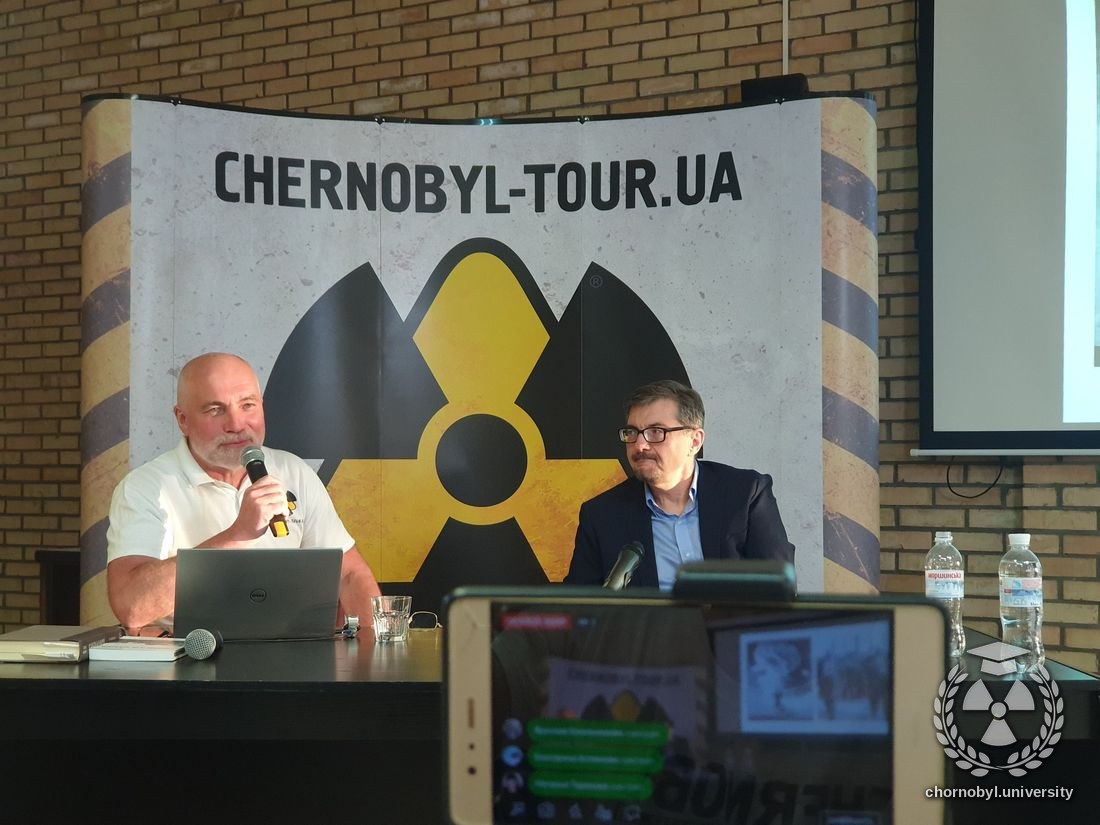
2020-2021. The University and the "Chornobyl Guide" Course
Chornobyl University was publicly launched in March 2020, and almost immediately the pandemic closed lecture halls. The "Chornobyl Guide" course moved online: 30 hours of lectures and two study trips to the Zone. All 14 participants passed the final exam. A joint program with National Pedagogical Dragomanov University, study trips for residents of neighboring communities and new academic conferences followed.
Keynote at the interagency working group on nominating the Zone for UNESCO
An idea Mirnyi first voiced in 2016 reached the Ministry of Culture.
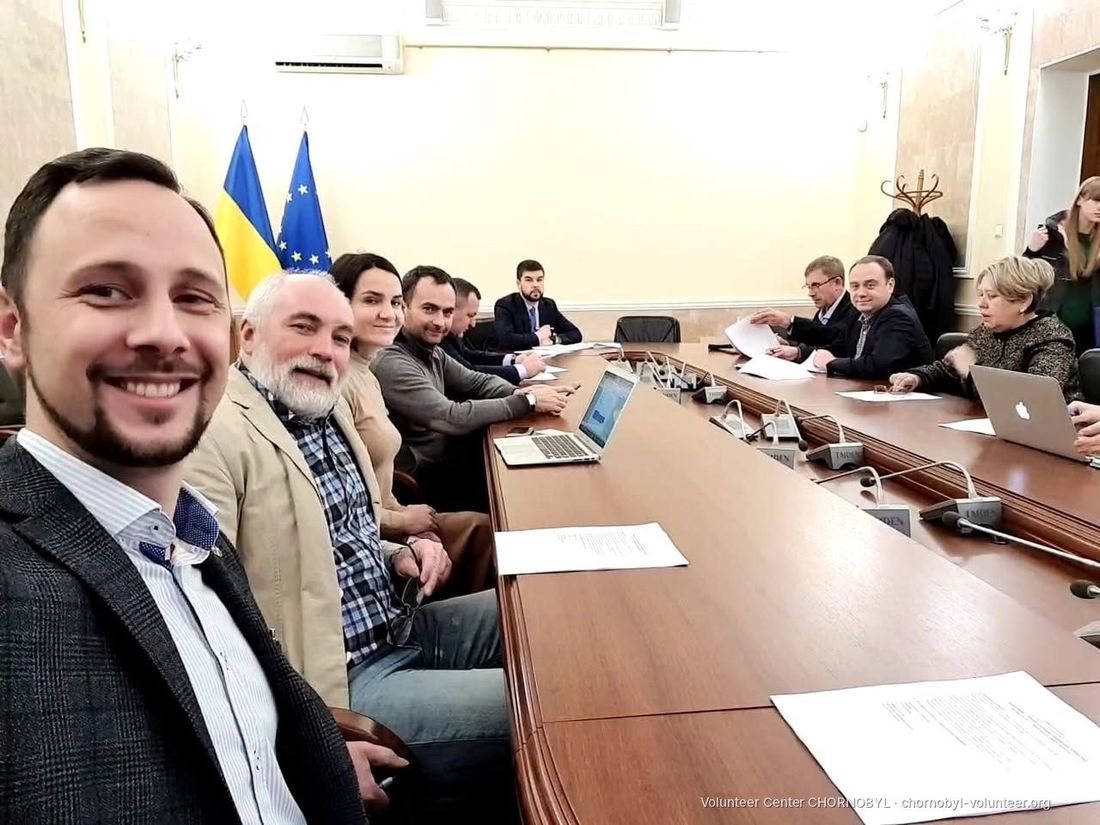
Announcing the platform and the guide course
Chornobyl University's first words about itself: a multidisciplinary platform that grew out of academic programs.
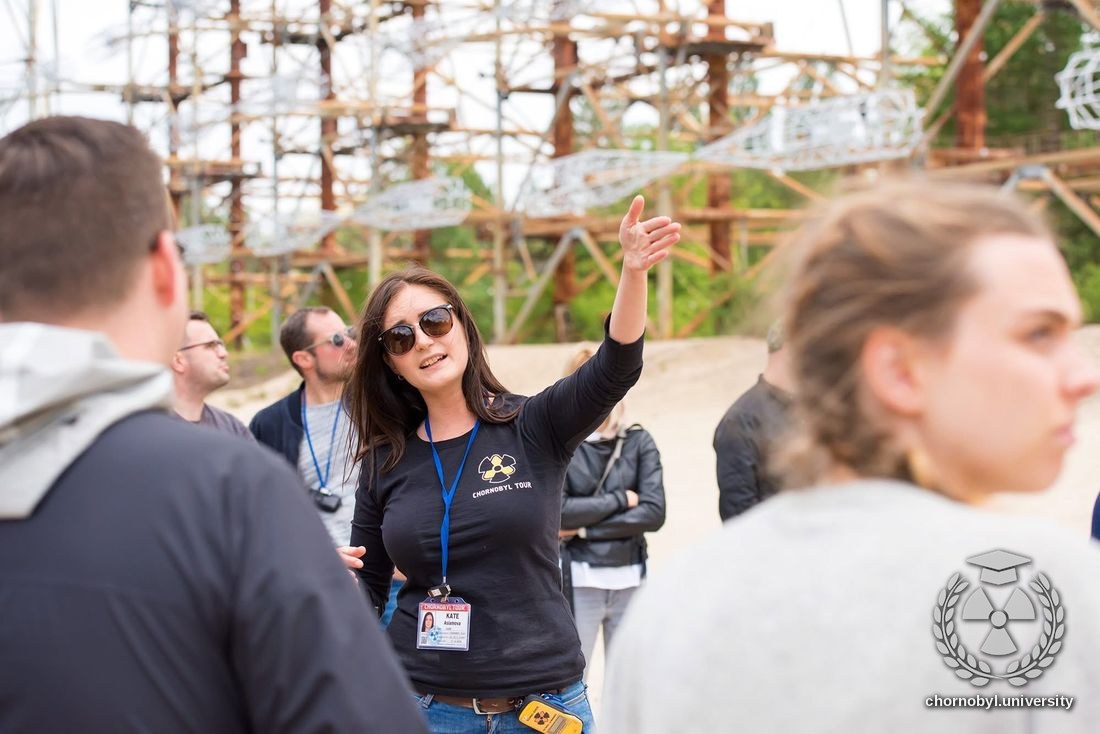
The University is registered
Chornobyl University acquired legal status.
Launch of Chornobyl University
The Interfax-Ukraine press center, more than 50 guests and the first educational program.
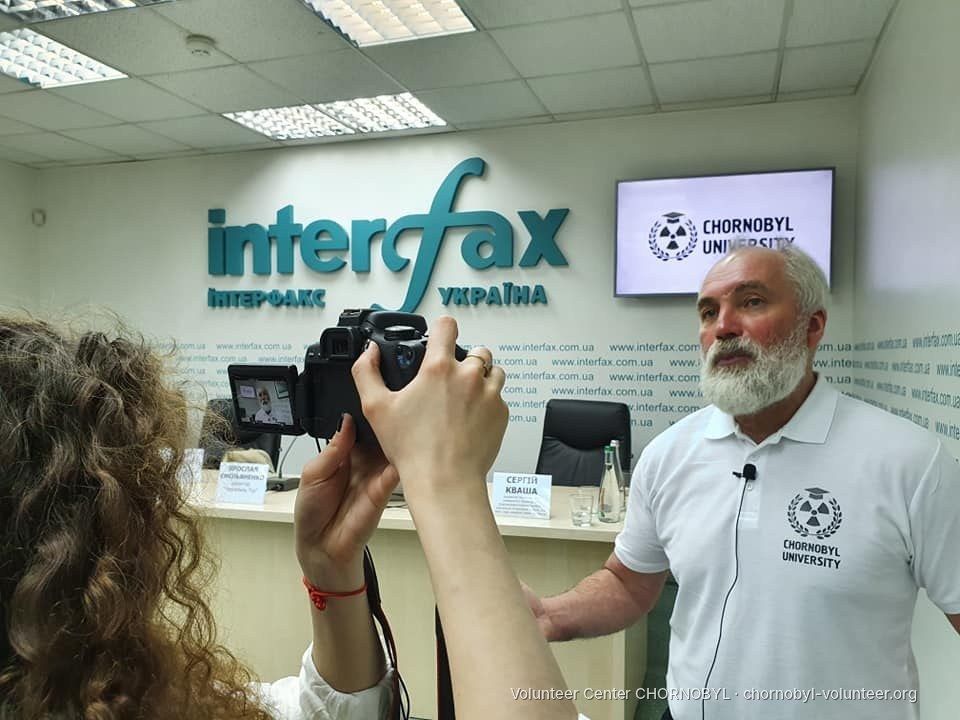
Course start postponed
The pandemic changed the plans but did not cancel them.
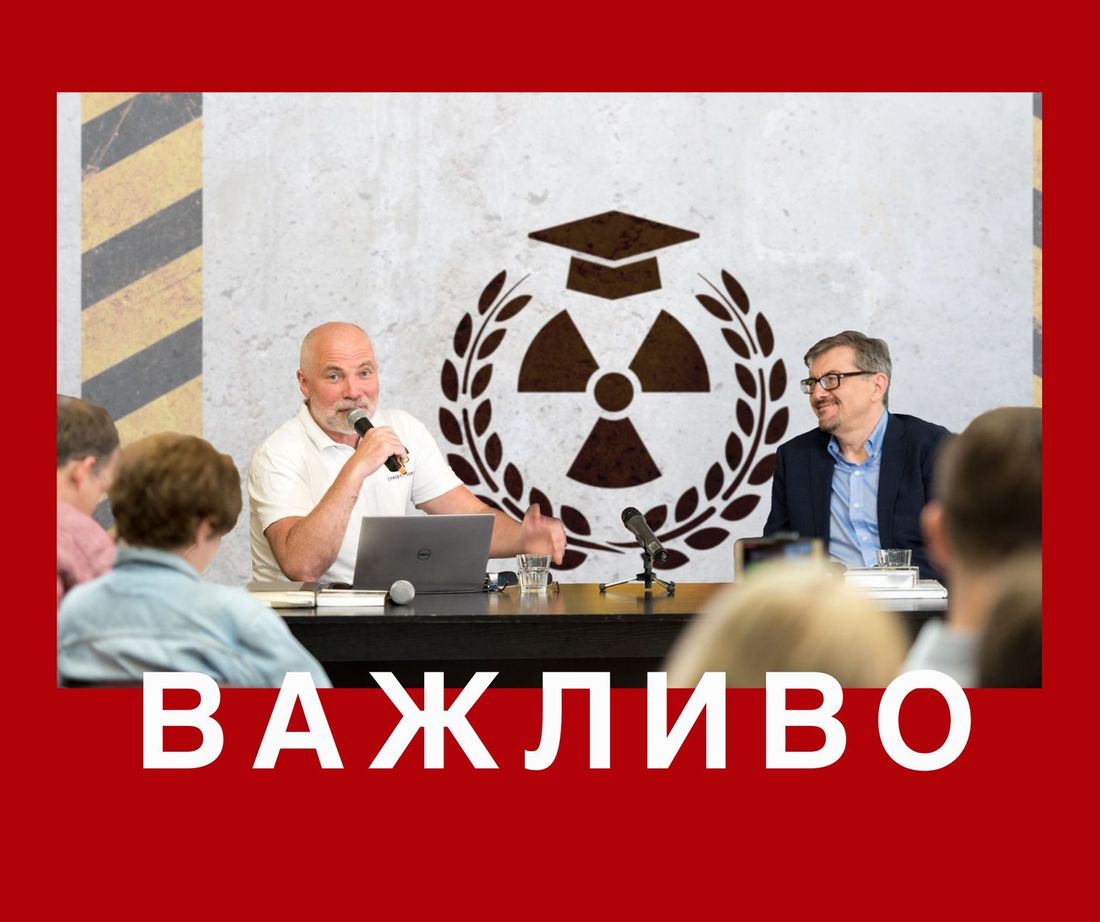
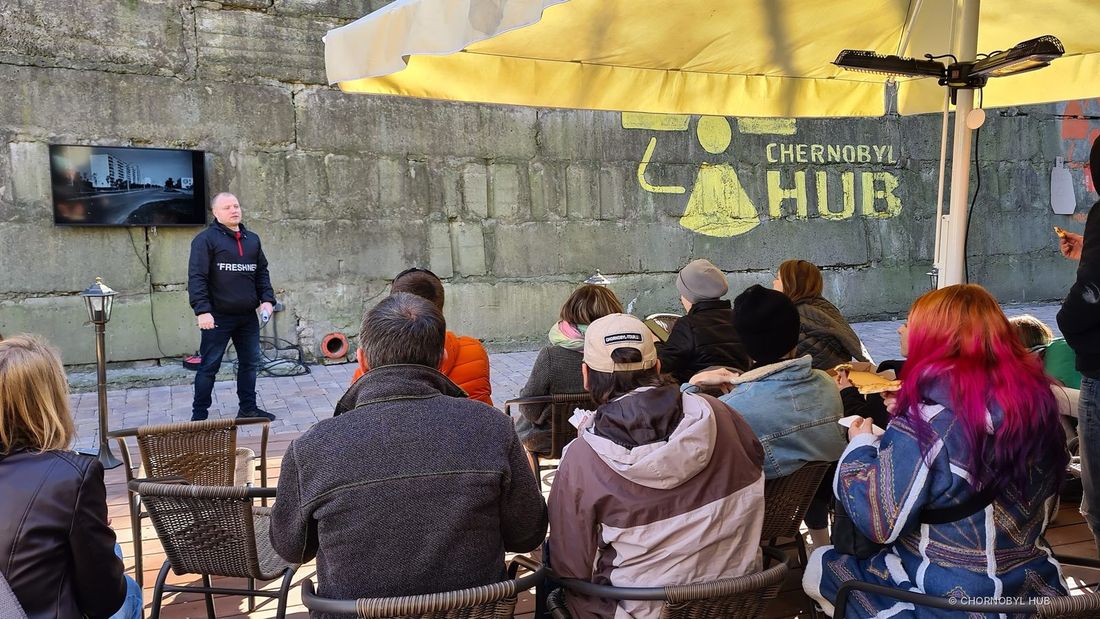
Refresher Training for Guides in the First Days of Lockdown
Lockdown stopped tours to the Zone, and guides used the pause to study.
Online launch of the "Chornobyl Guide" course
30 hours of lectures, two study trips and an exam - all at the height of the pandemic.
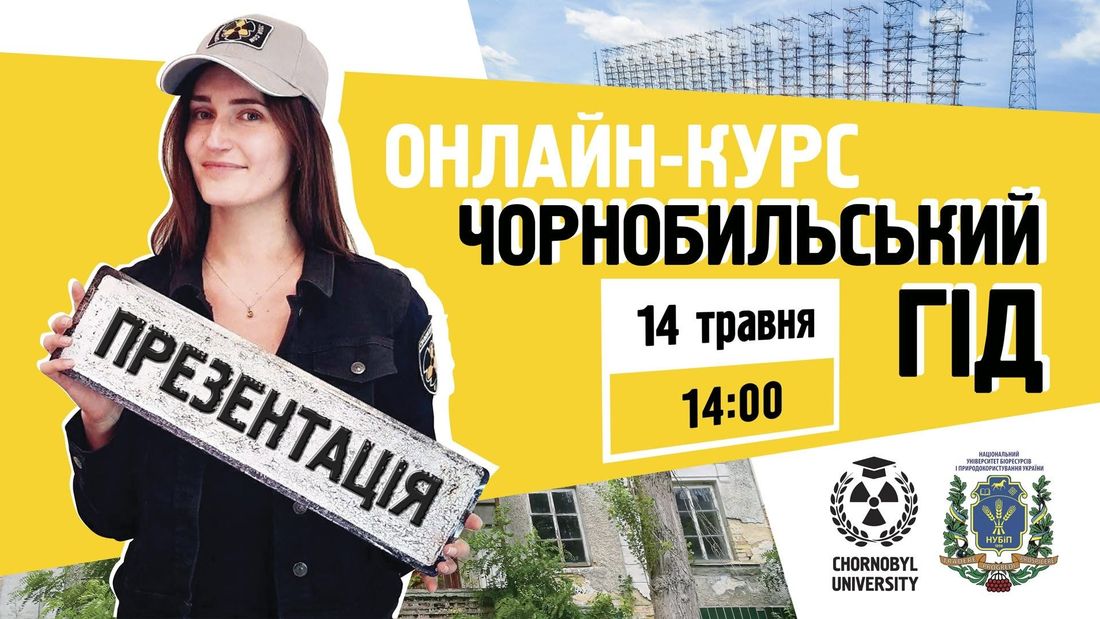
The "Chornobyl Guide" course: how it went
14 participants, 15 lectures, two trips to the Zone - and everyone passed the exam.
Sergii Mirnyi's lectures in the course
From the origins of Chornobyl tourism to the song that played over the 25th Brigade's camp.
Serhii Plokhy: "Chornobyl and Ukraine's Road to Independence"
The Harvard historian concluded the course's theoretical module.
Study trips to the Zone
After the lectures came practice: the participants led tours themselves.
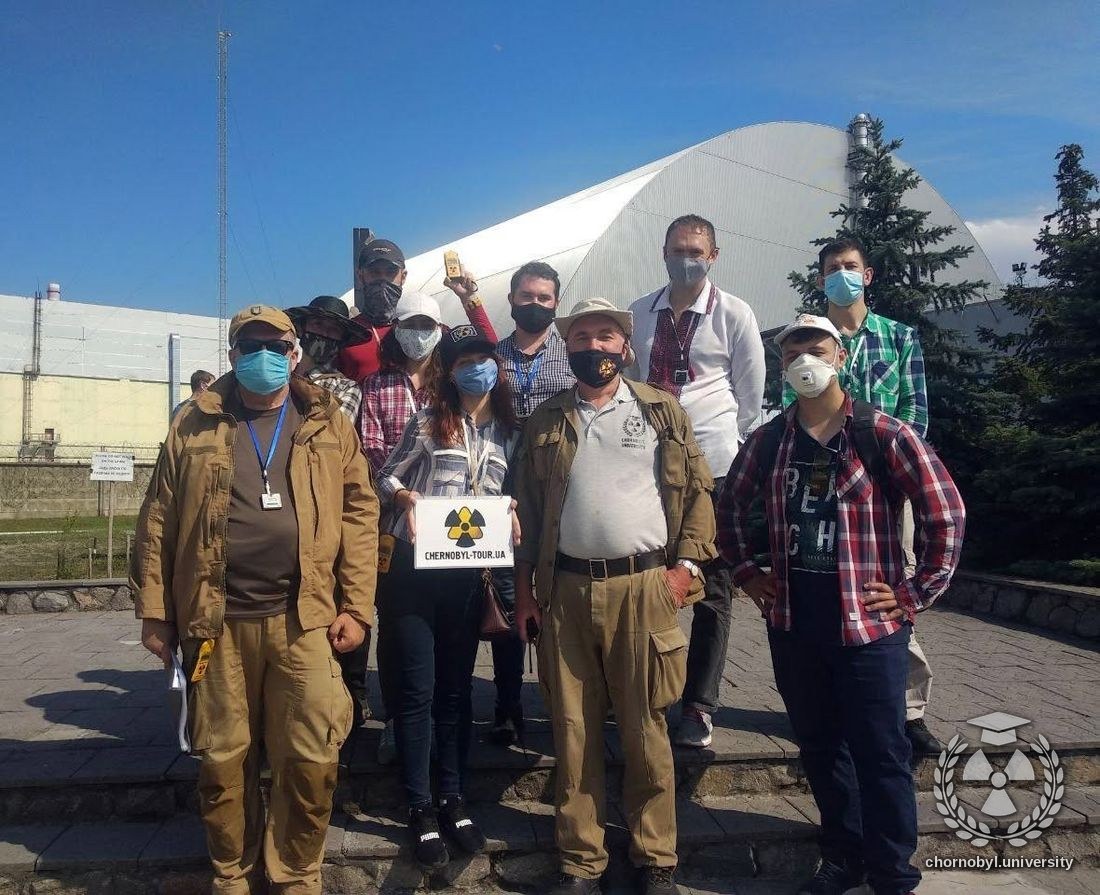
The "Last Bell": the first in-person meeting of the course participants
The participants' first meeting in person - with people who were at the center of events in 1986.
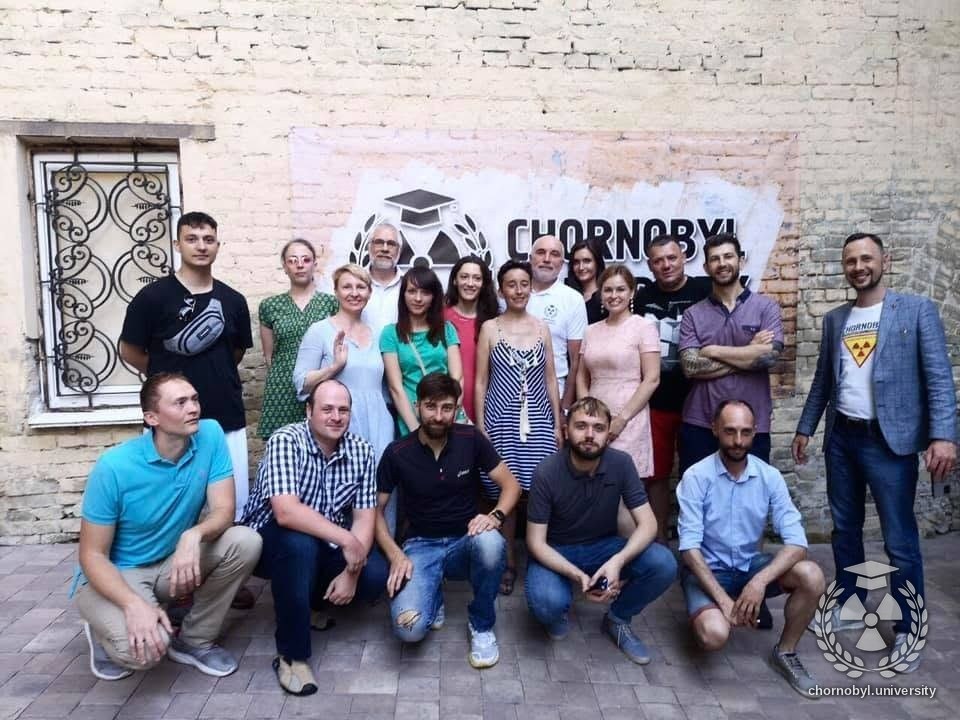
The concept of "Chornobyl, a Zone of Revival"
The Zone does not only remember - it can come back to life.
Tours of the Zone for residents of nearby districts
Educational trips to the Chornobyl Zone for people from neighboring communities.
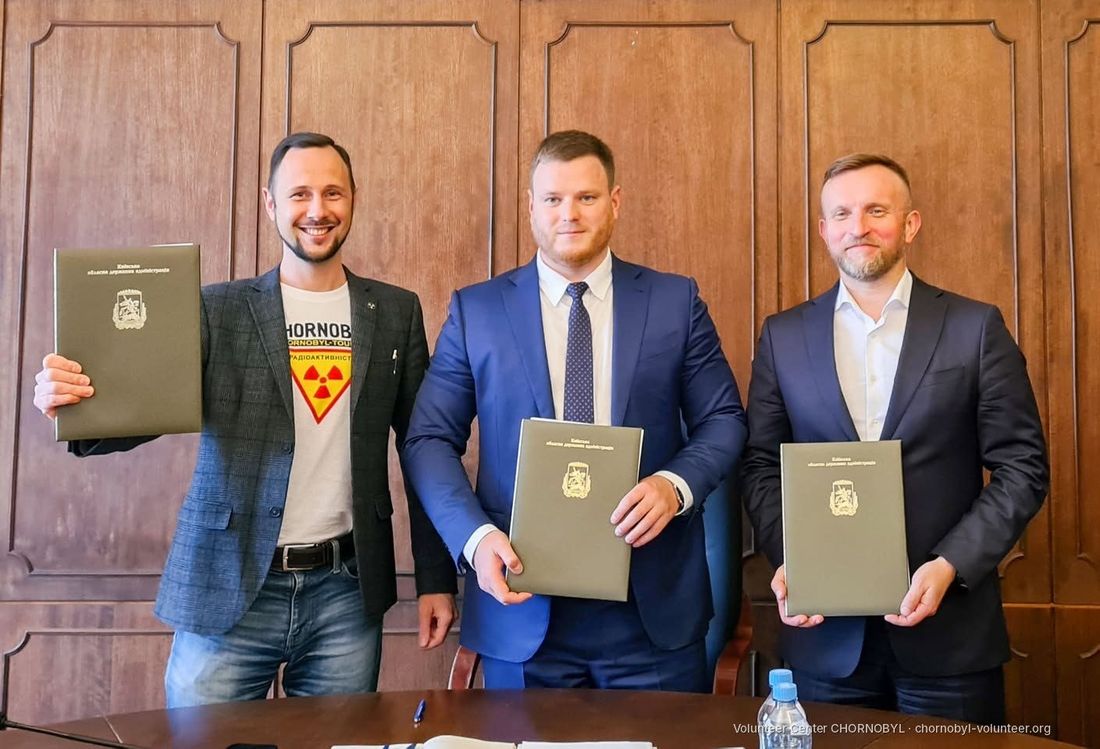
Graduates received their certificates
A reunion with the first graduating class, a year after the course.
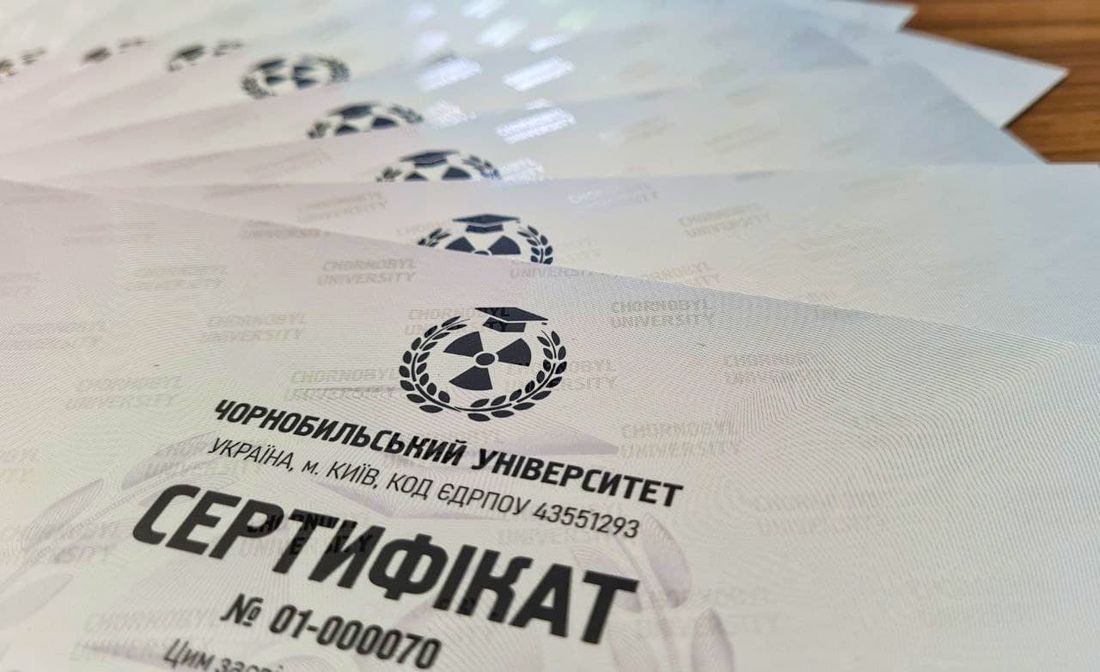
Online Basic Training Course for Guides with Dragomanov University
The "Chornobyl Guide" course continued in academic form with a pedagogical university.
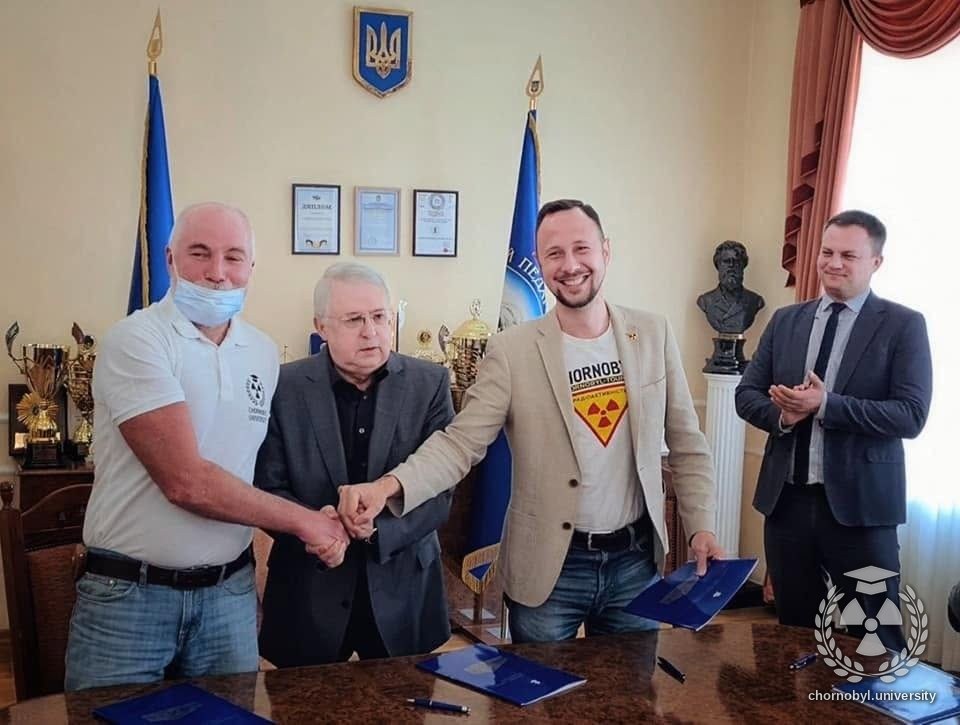
Cooperation with Dragomanov University
Joint programs in education and in overcoming the psychological and informational consequences of the accident.
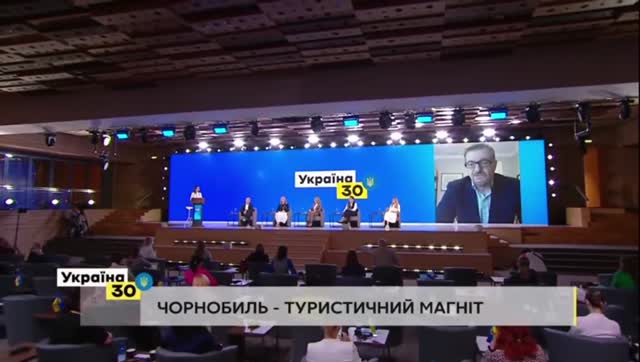
The "Ukraine 30" forum: Chornobyl as a site of memory
Plokhy, Mirnyi and Yemelianenko at a major national forum.
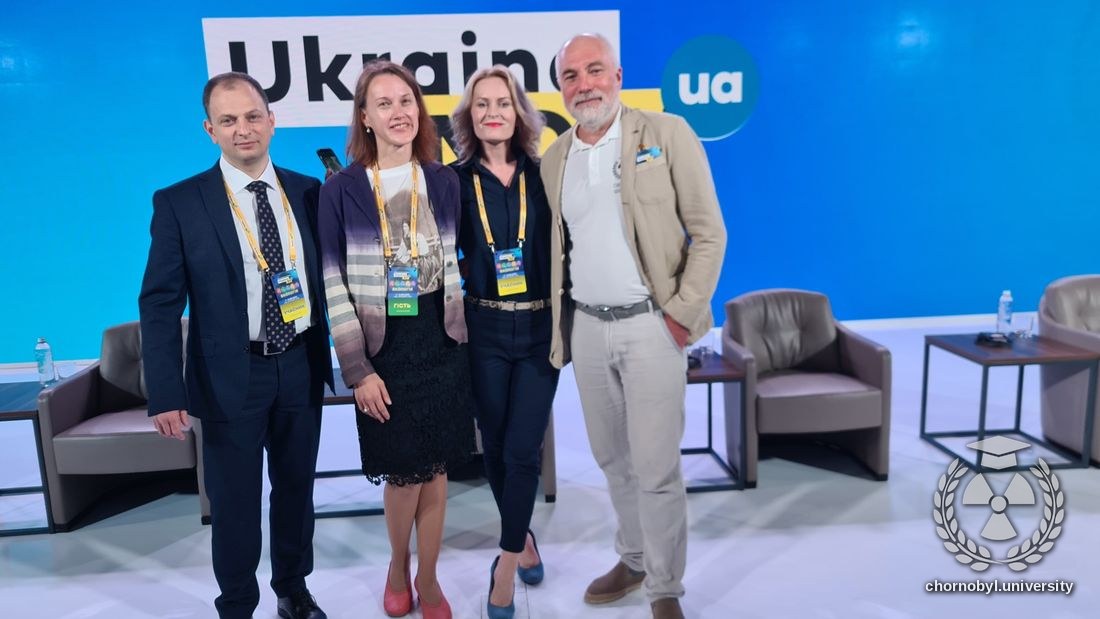
Serhii Plokhy on Chornobyl University at the "Ukraine 30" forum
Historian Serhii Plokhy on Chornobyl as a site of memory and on Chornobyl University.
The Scientist: a new Chornobyl research initiative
An independent science magazine wrote about Chornobyl University.
2022-2026. War, the National Chornobyl Museum and the 40th Anniversary
The full-scale war turned the knowledge of Chornobyl into a means of defense. The University's people trained soldiers, combat engineers and police officers to act under radiation and chemical threats, explained to the world what had happened in the occupied Zone, and spoke at international conferences. As a researcher at the National Chornobyl Museum, Sergii Mirnyi led a discussion club and worked at the Blinken OSA Archive in Budapest. For the 40th anniversary of the accident, he moderated the "Chornobyl-40" conference at the Kyiv-Mohyla Academy.
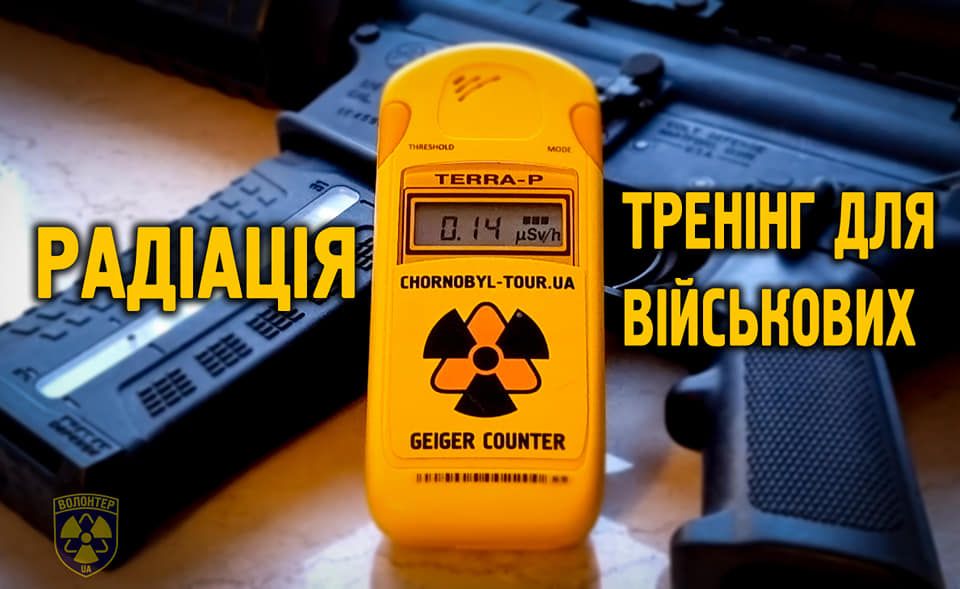
Radiation protection training for the military
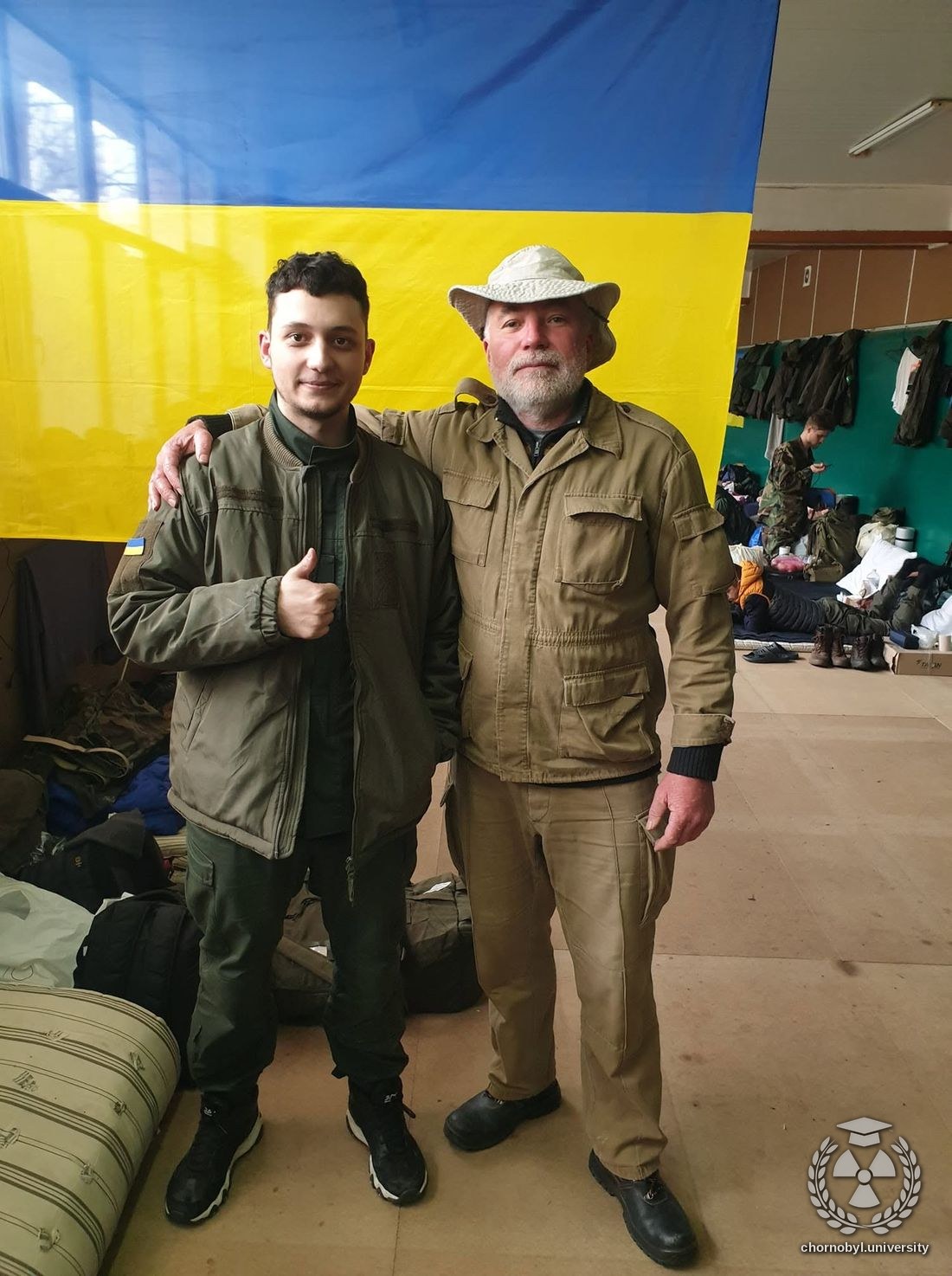
What a liquidator learned in 1986 became essential for those defending Ukraine today.
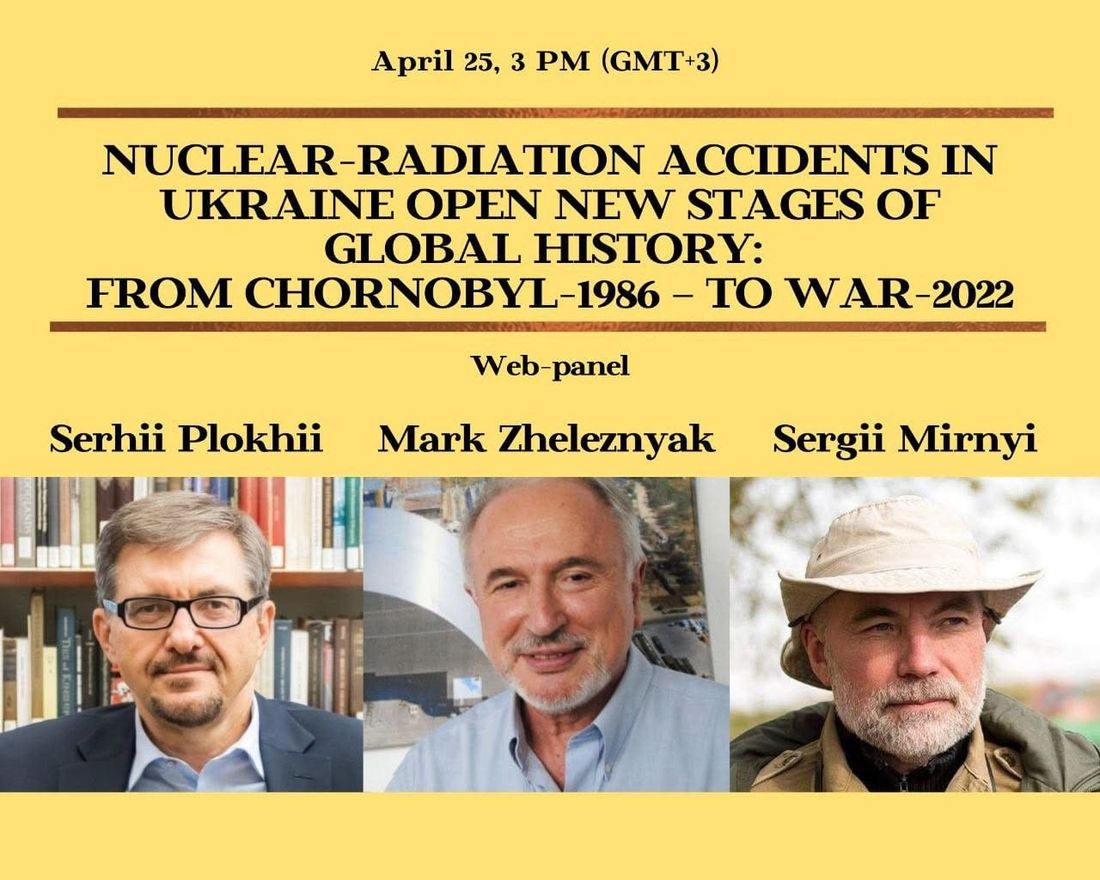
Web panel with Serhii Plokhy and Mark Zheleznyak
From Chornobyl 1986 to the war of 2022: nuclear accidents as new stages of world history.
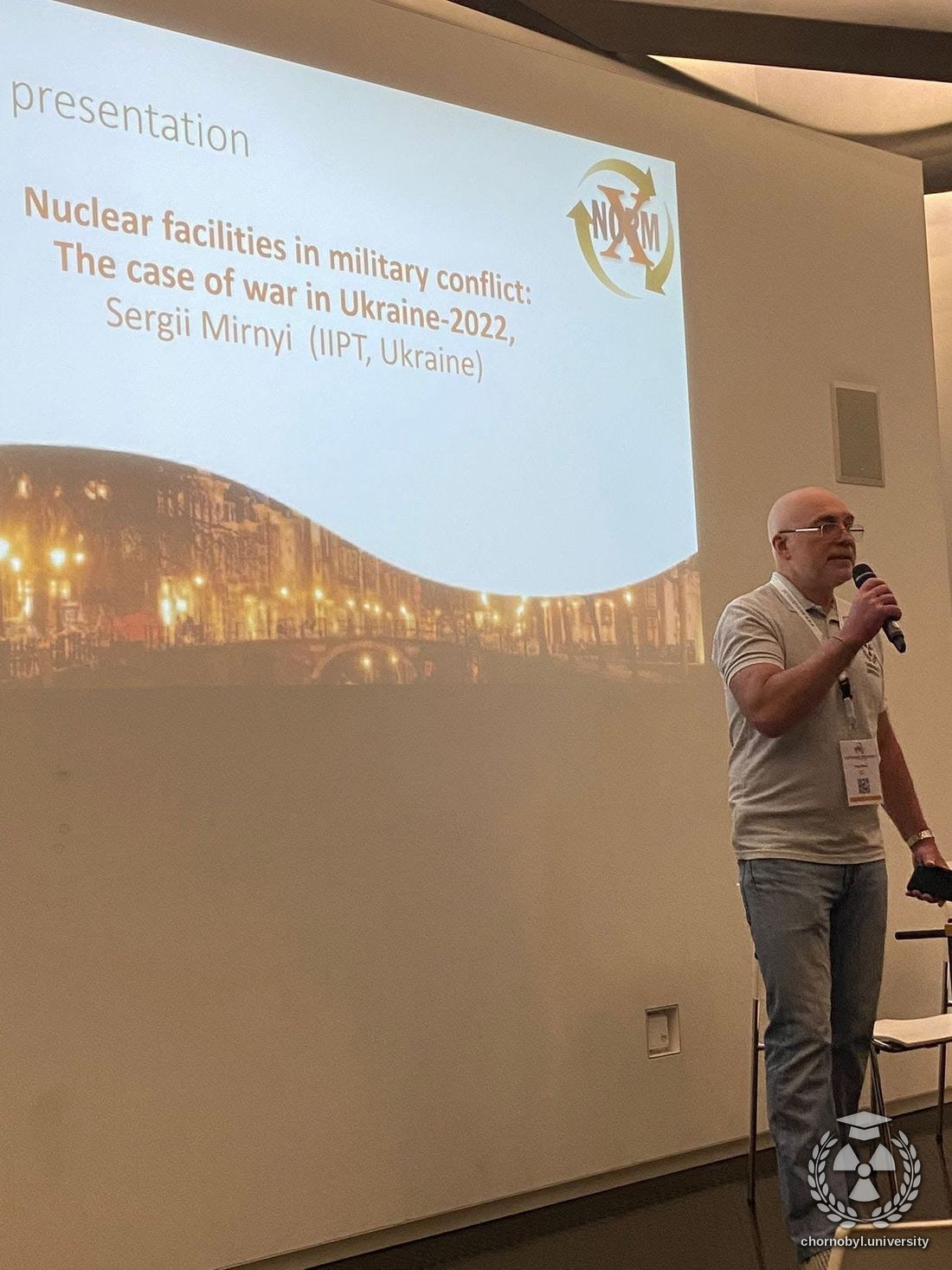
Invited speaker at RICOMET 2022 in Utrecht
Nuclear facilities in armed conflict: the war in Ukraine as a new experience for the world.
Expert for the State Environmental Inspectorate
Official expert status, with Chornobyl University as his affiliation.
Kateryna Aslamova's training: what to do in a nuclear or chemical attack
Soldiers, bomb disposal teams and police - hundreds learned to act under threats that until recently belonged to the past.
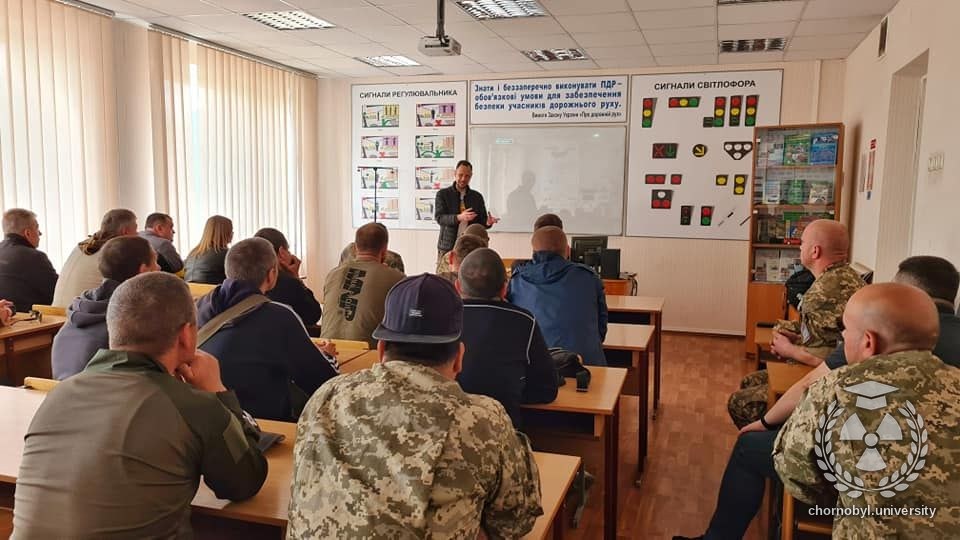
Radiation safety training in military units
Keeping soldiers safe on contaminated ground.
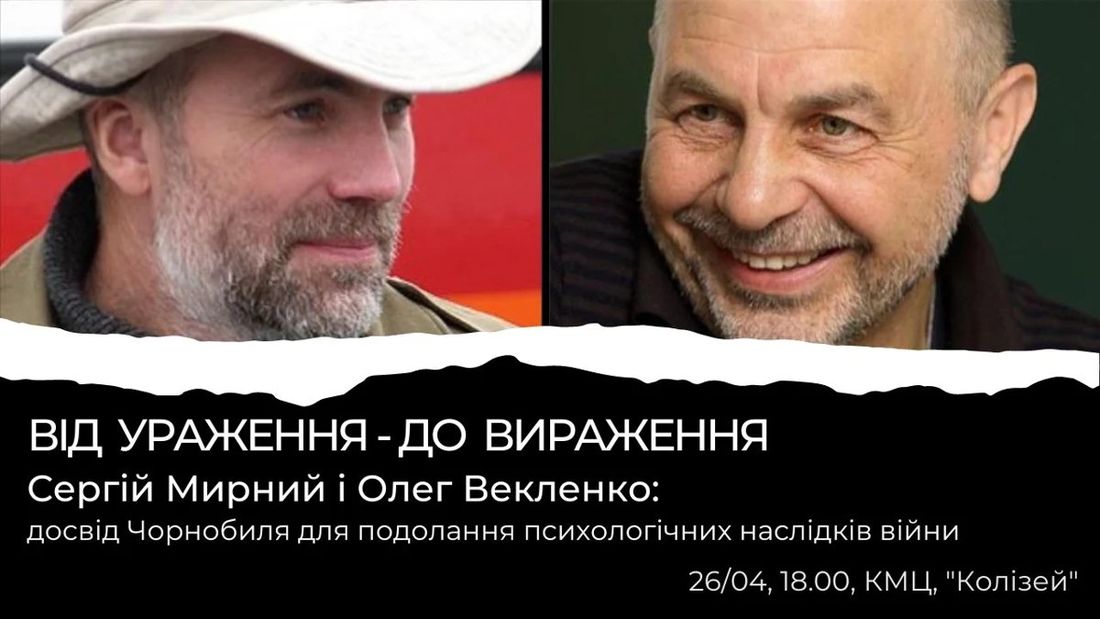
"From Wound to Expression" with Oleh Veklenko
How the experience of Chornobyl helps people live through the trauma of war - a writer and an artist, both liquidators.
Researcher at the National Chornobyl Museum
A discussion club, museum talks, and tours for official delegations and scholars.
Visegrad Fellowship at the Blinken OSA Archive
How Chornobyl hastened the collapse of the Soviet Union - research at one of the largest Cold War archives.
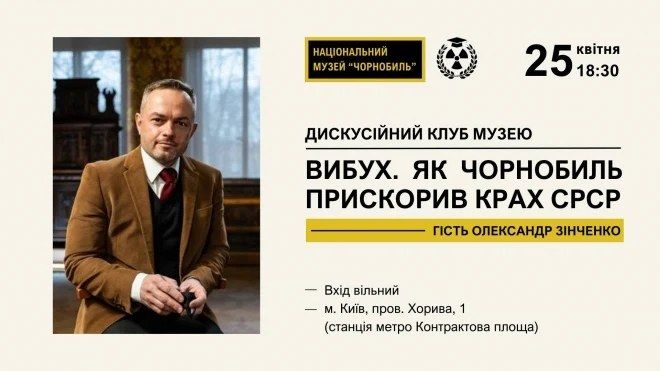
The first meeting of the National Chornobyl Museum's discussion club
"The Explosion: How Chornobyl Hastened the Collapse of the USSR" - historian Oleksandr Zinchenko and Sergii Mirnyi.
"Chornobyl was not seen as hell": an interview with Telegraf
On reconnaissance, a "cultural radiation revolution" and why people need to know about radiation.
The "Chornobyl Studies" course at the Kyiv-Mohyla Academy
For the first time, NaUKMA and the National Chornobyl Museum taught a joint course open to students of all majors.
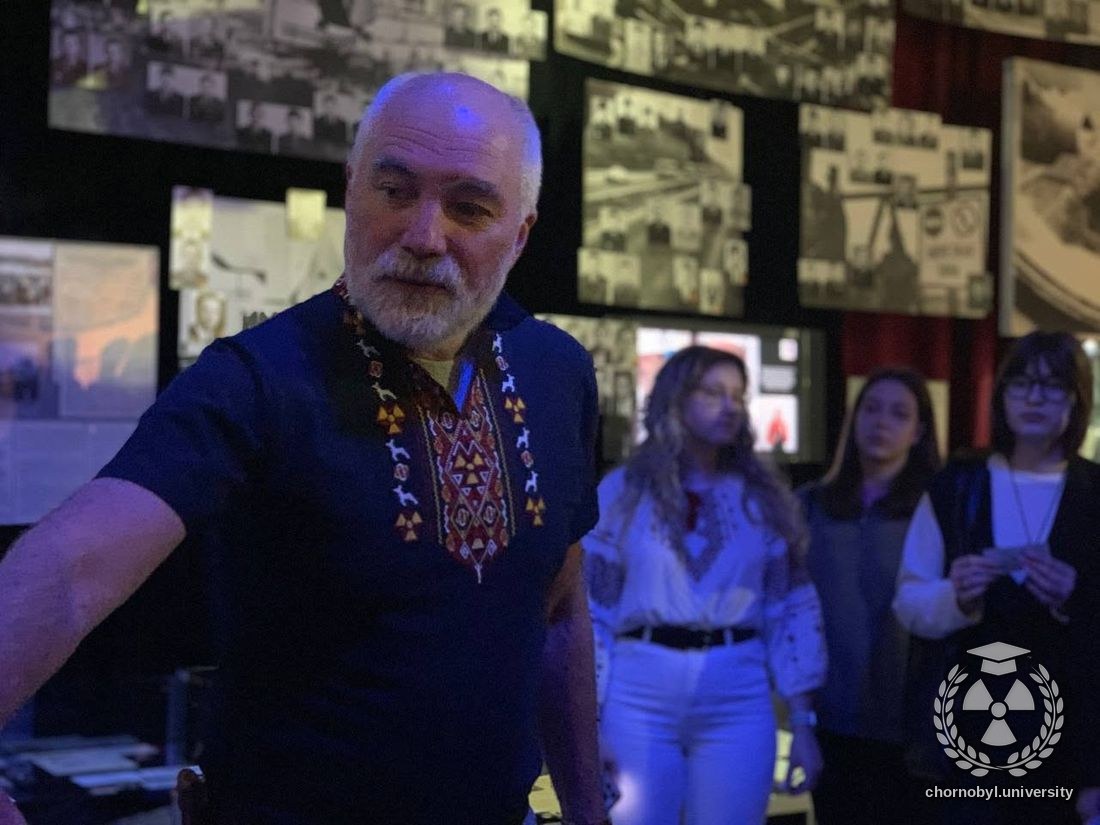
Lecture at the Blinken OSA Archive
"A Radicalizing Event": how Chornobyl catalyzed the collapse of the USSR, 1986-1991.
Presentation to the National Commission for Radiation Protection of Ukraine
The discussion club's concept and first results, presented to the national radiation protection commission.
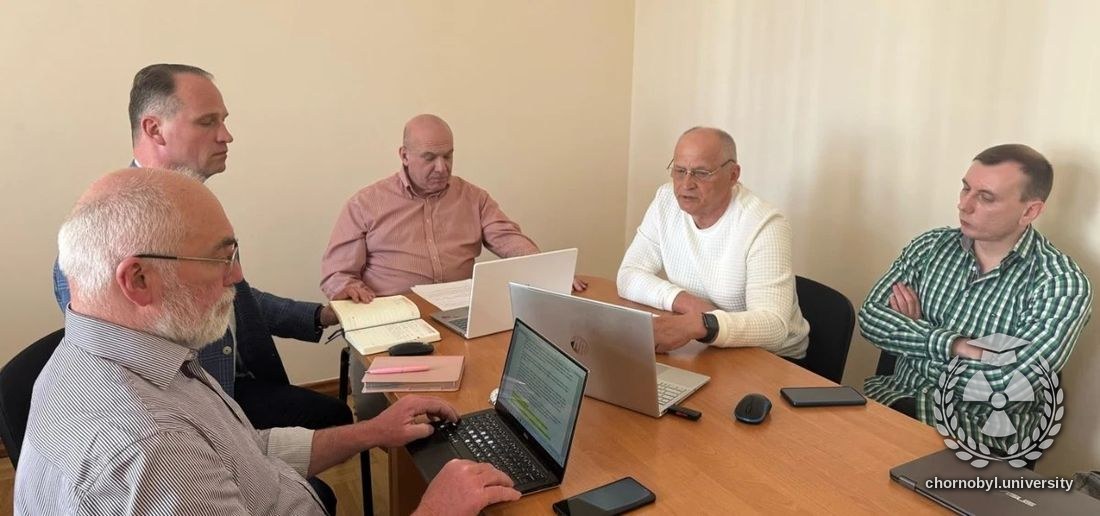
Kateryna Aslamova: the lessons of Chornobyl - what do we really mean?
The forgotten lesson of Chornobyl: moscow must be stopped.
Talk at New Bulgarian University
"Survive, Understand, Narrate, Overcome" - in Sofia, on the same panel as Serhii Plokhy.
LB.ua: "Radiation was like rain for us"
An in-depth profile for the 40th anniversary.
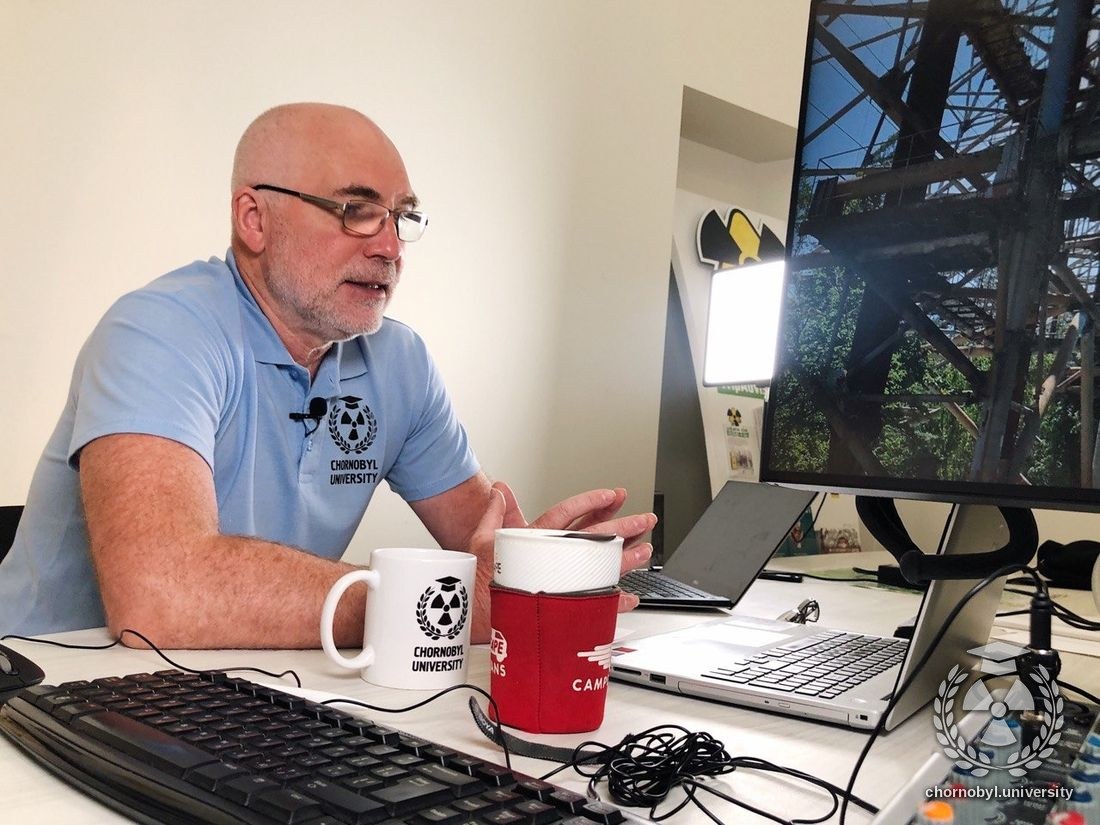
"From Chornobyl to Fukushima": a meeting with students of the National Academy of Internal Affairs
Future lawyers and psychologists on information trauma and crisis management.
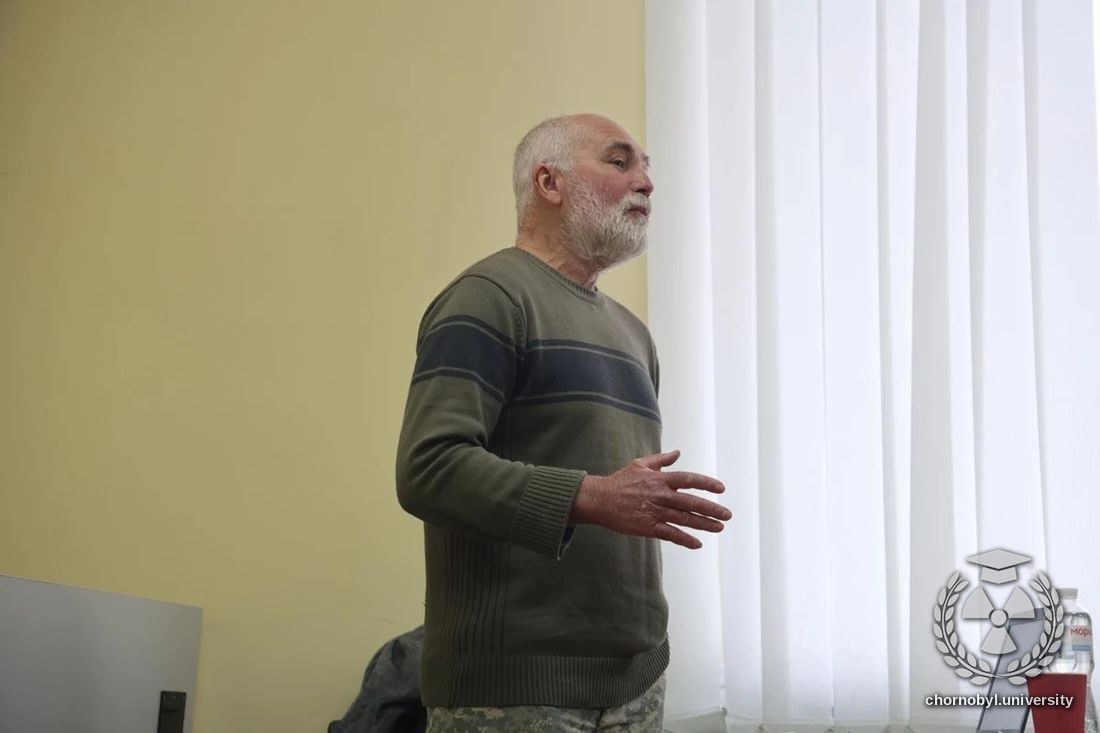
The "Chornobyl-40" conference at the Kyiv-Mohyla Academy
"We are not a nation of Chornobyl victims. We are a nation of victors."
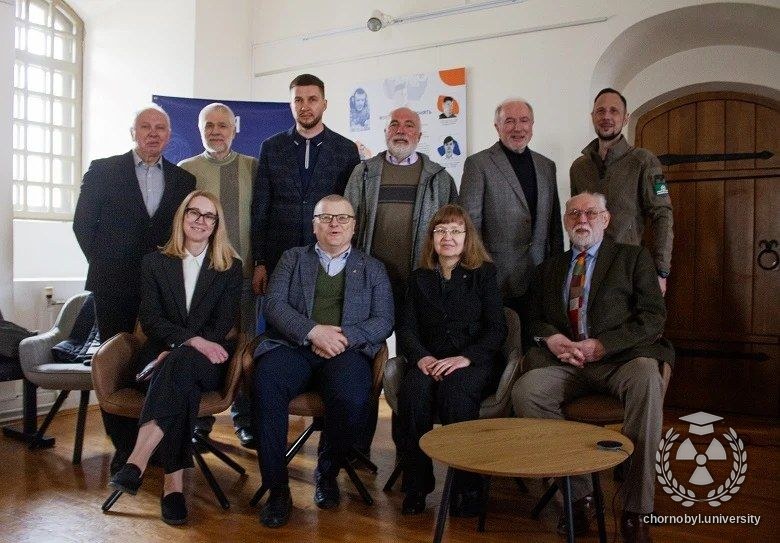
Army FM and WORLD Radio for the 40th anniversary
"Worse than Radiation": on military service, Soviet bureaucracy and lessons for today.
Yaroslav Yemelianenko: commemorating difficult history without granite and grandeur
A lecture for young people at the Ukrainian Chamber of Commerce and Industry.
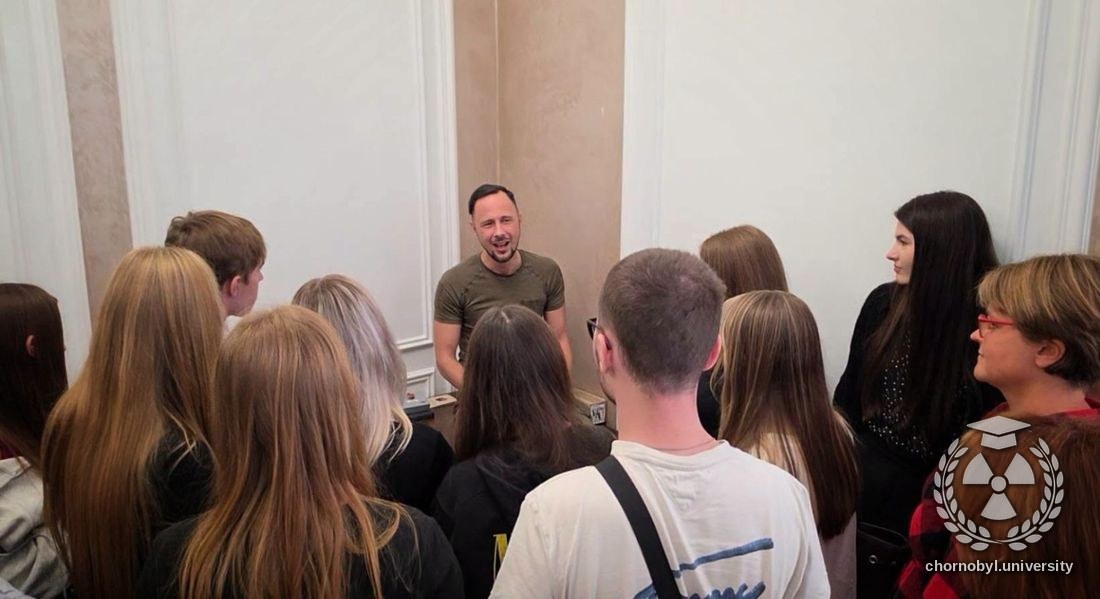
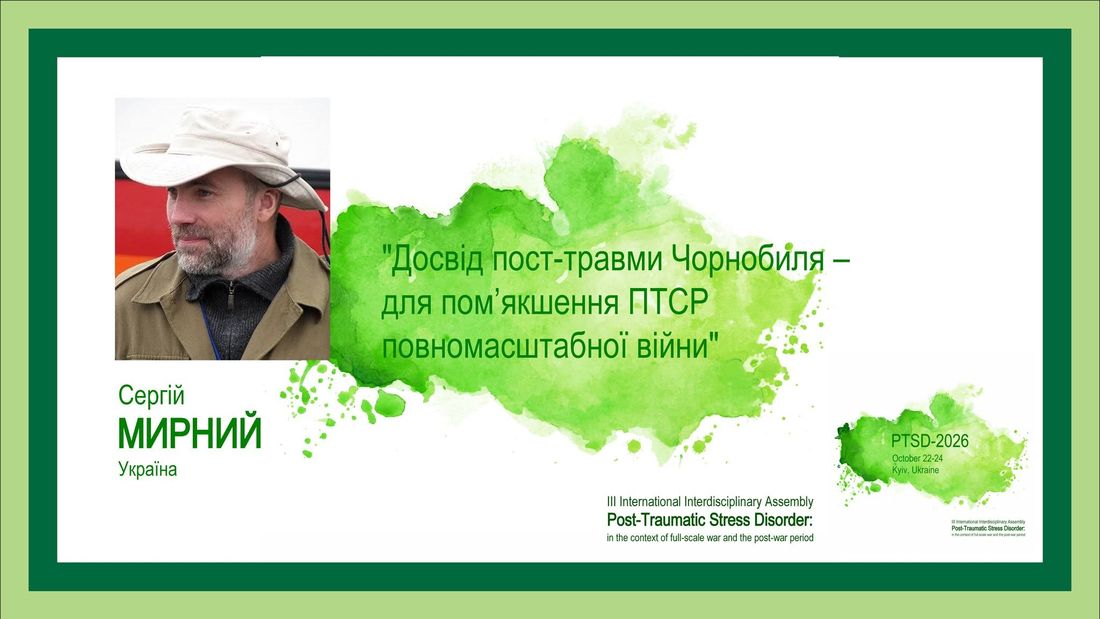
Chornobyl's post-trauma experience and easing PTSD from the war
A quarter century of research on info-trauma, applied to those returning from the front.